Transit
(1) the conveyance of persons or things from one place to another
(2) a system engaged in such transportation
(3) an act of passing through or over
(4) change, transition
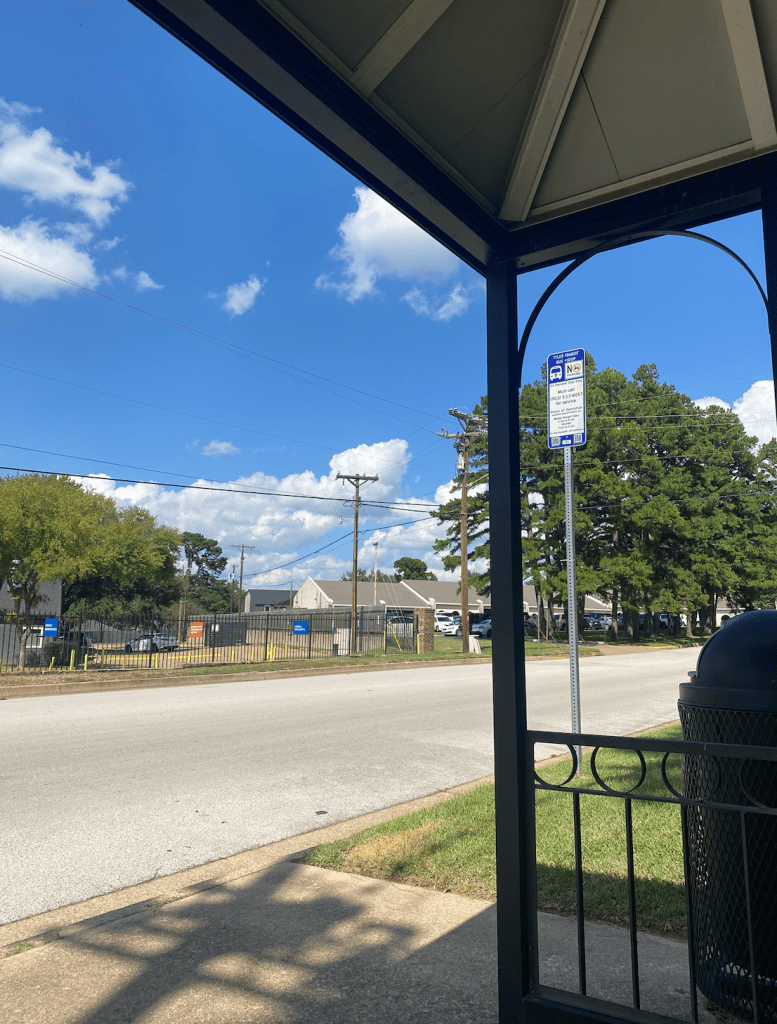
I recently discovered that through the university where I teach, students, faculty and staff can ride the city micro transit bus for free. For someone who has always resisted the steering wheel, this felt like a gift. My car is an aging vehicle I won on The Price Is Right several lifetimes ago, back in 2009. It mostly sits idle, dragged out only for the commute to campus.
We travel to larger more urban cities often and love their public transit! But here, our rapidly growing town has not yet normalized public transit, but changes befitting to fit the expanding population are happening day by day.
Historically, public transit is not the great equalizer here that it is in other larger, more connected cities. Over the past 20 years, Tyler, Texas has seen its population increase by about 30–31%, rising from roughly 84,500 residents in 2000 to over 110,300 by 2023. This is rapid growth above many national averages. As the city experiences sustained population growth, the surge places increasing demand on public infrastructure, making developments like the new bus system not just beneficial, but essential for maintaining accessibility, reducing traffic congestion, and supporting a more connected community.
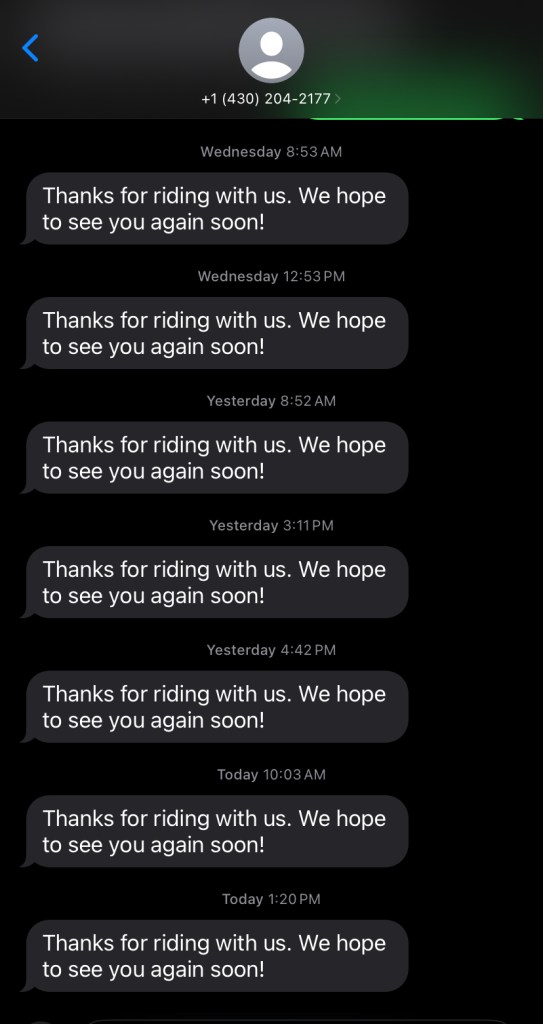
So…I downloaded the transit app, asked a few city friends for insider tips, and stepped aboard. By the end of the week, I had ridden the bus seven times for zero dollars. The actual cost is $1 a ride. And while the cost savings are nice, they are hardly the point.
Lonely Boxes | Shared Stillness
For years I have called cars “isolation boxes.” Each one moves a single body from point A to point B, surrounded by countless other boxes. We sit at red lights in near proximity, yet remain untouched by one another’s lives. The only gestures exchanged are honks of frustration. What machinistic behavior. How inhuman.
I always sensed something hollow in this arrangement. Normalized, sure. But strange all the same.
The bus unsettles that pattern. It interrupts the privatized flow of metal shells and places me in something else entirely: a shared space of movement. McLuhan might say the medium itself makes the difference. Individual cars are a medium of purchased isolation, solitude, and speed. Riding public transportation is a cost-effective medium of delay and encounter.
The Phenomenology of Encounter
On the bus, I am not merely transported from A to B. All of a sudden, I am a participant in a narrative larger than my own.
I notice the nurse on her way to a shift. The parent juggling errands, children, and interviews. The elderly man in a wheelchair waiting while a new driver learns to operate the ramp under the guidance of his trainer. In that moment, I thank him for his patience, recognizing that we are all, in some way, helping one another move forward.
These are not anonymous strangers. They are presences. Gabriel Marcel described this kind of encounter as availability—an openness to the other that transforms coexistence into communion. In a car, others are obstacles. On the bus, they are neighbors in transit.
The difference is one of worth. Each life I glimpse reminds me that individual value is not produced through efficiency or speed, but by attention.
Revaluing Time and Space
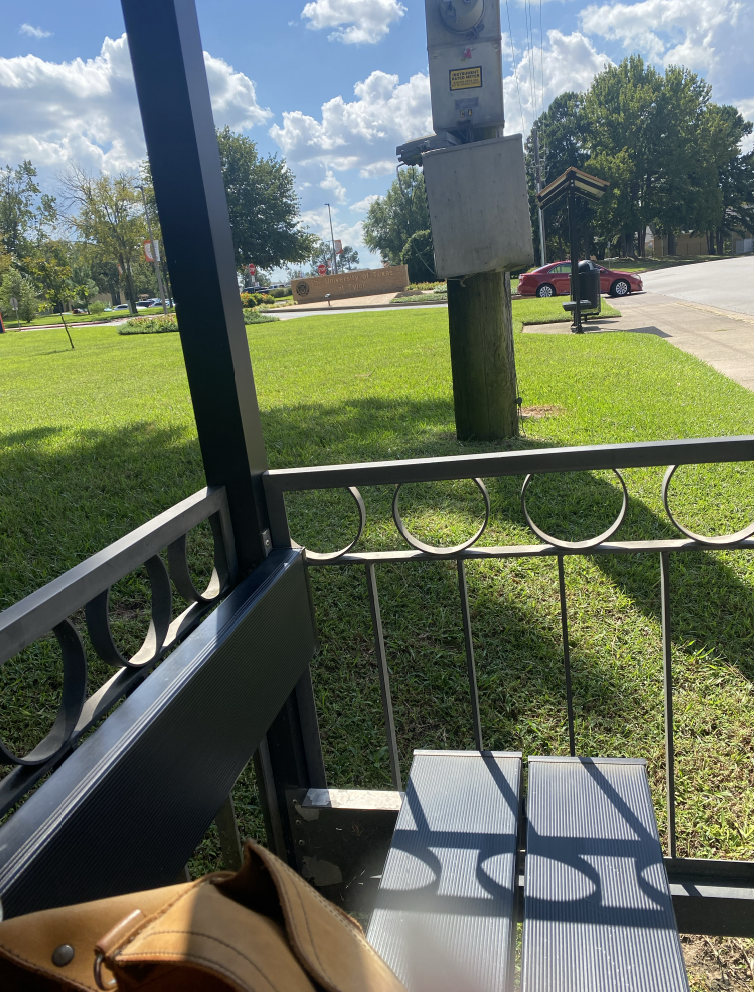
Waiting for the bus, I hear birds chirping, leaves stirring, fragments of conversation drifting by. I am reminded that not every silence needs filling with a podcast or a playlist. The waiting itself (what Husserl might call a horizon of time-consciousness) becomes meaningful.
This is a media ecology of worth. Our technologies shape not only how we move, but how we assign value. Driving urges us toward impatience: honking, rushing, isolating. Bus-riding reorients us toward patience: noticing, greeting, contextualizing ourselves, and valuing.
The worth here is not just in saving money, but in rediscovering what Marcel called the mystery of being with others.
A Common Wealth
One morning at a coffee shop, I shared my newfound enthusiasm for bus travel, only to hear someone grumble about wasted tax dollars. But public transit is not waste. It is worth. It is the shared wealth of a city, evidence of our willingness to live together, to move one another sometimes literally, through the ordinary thresholds of what it takes to make it through every. single. day.
Worth the Ride
There is no immediacy to the bus. I am starting to believe it’s a quiet gift. In a world bent on acceleration, transit offers transition. It asks us to sit still long enough to notice.
Riding the bus has revealed to me that human worth is not something abstract. It is measured in shared glances, small kindnesses, and the space to think our own thoughts while recognizing others alongside us.
Public transit, in that sense, is not only transportation. It is transformation.
It is worth every ride.
 Tiffany Petty Gilliam
Leave a comment