A phenomenological investigation into the weights and measures of human worth.
A first-semester PhD candidate’s reflection on race, rhetoric, and the quiet weight of being seen.
There’s a lyric in the Christmas hymn O Holy Night that I’ve loved my entire life:
“Till He appeared, and the soul felt its worth.”
I don’t need to untangle all the theology to feel the truth of that line in my bones. There is something about being human that carries immeasurable weight. Existing at all is a lottery, and all we do, from the moment we realize we exist at all, is try and find routes that prove our worth. The avenues and success rates are as innumerable as they are inconsistent.
So what happens when systems, stories, and even casual encounters chip away at that sense of worth? What happens when a soul isn’t convinced?
This was the question quietly haunting me during my first semester PhD study with Duquesne. The class was Rhetoric, Race, and Religion. The readings were dense, the speakers powerful, and the classroom felt more like a space for excavation than instruction. Week after week, we moved through big concepts like justice, reconciliation, belonging. But it was the small moments and ordinary conversations of my real life that gave the theories flesh.
Transparently, I didn’t feel like I deserved to be in that class. I’m a Puerto Rican white girl, born in America, navigating inherited identities that don’t always sit comfortably together. Who was I to speak on these things? I didn’t grow up with the kind of history others in the room carried. I felt experientially out of pocket, carrying an undeserving ignorance.
But that’s the thing about getting a PhD. It doesn’t just ask you to contribute, it reshapes what your contribution offers. It reminds you that your voice is not a disruption or needless addition, but a continuation.
That you are entering a pre-existing conversation that started long before you, and will continue long after you’re gone. We’re not here to claim and own a brand new dialogue, but to contribute to the experiences of what came before in a way that positively impacts the future to come.
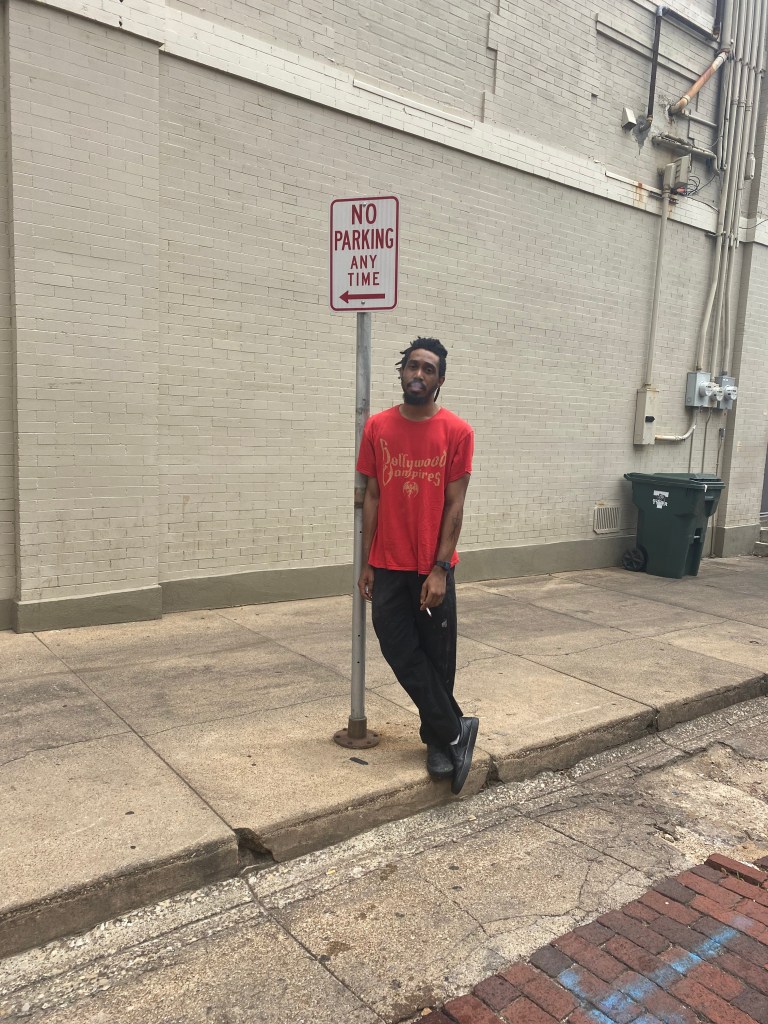
Micah helped me see that too. He’s my downtown pal from the U.S. Virgin Islands, a chef full of rhythm, flavor, insight and wit. One day, he saw me reading The Cross and the Lynching Tree downtown, (my ignorance on full display) laughed at the title, and said, “I would never read that!” He asked about the class and from then on, he was in the conversation.
Micahs humor, his observations, his shoulder-shrugging responses to racism in real time all punctuated the texts we were reading in class. Like when I watched an older white couple leave the restaurant where he works. They quietly thanked every staff member on the way out – except Micah. I caught the quiet exchange and looked at him. He just gently smiled and said, “Oh, that happens all the time.” And the world moved on, like it always does.
These weren’t big, sweeping moments. They were tiny and real. Human dignity doesn’t live soley in awards or grand gestures. Dignity shows up (or disappears) in the margins. Who gets acknowledged. Who gets remembered. Who gets to tell what story.
So we kept reading. Cone. Massingale. Patel. We listened to pastors and poets and public servants. We traced the shape of justice through theology, philosophy, and everyday life. We explored ideas like beloved community, covenant, identity, forgiveness. And while those ideas were huge, the ones that stuck were the ones that landed in lived experience.
Micah joking with his roommate about slavery.
Micah laughing at what he called “American race stuff.”
Micah noticing, always noticing, but never letting it stop him from dancing.
Micah asked me about the class all semester long. “What did y’all talk about this week?”
I quickly realized the learning wasn’t just happening in the classroom. It happens experientially, like in the grocery line or restaurant dining rooms, in offhand jokes and glances exchanged across cultural divides. I quickly understood what phenomenology means: Not just studying lived experience, but letting it shape the way we see.
By December, after all the books and speakers and the note-filled margins, I returned to that hymn with new ears.
“For the slave is our brother / and in His name, all oppression shall cease.”
That line broke something open. It was a contextual hay day. It was way deeper than I’d ever really thought about. More than I knew. There was always something about that line I couldn’t stop loving.
At the end of the semester, Micah asked me one day, grinning:
“Am I gonna be in your paper?”
The answer, of course, is yes. Micah was the connector. He was the life of the learning. Not just because of what he said or didn’t say, but because of how his presence, his curious, funny, honest inquiry, kept reminding me what this work is really about.
It’s about paying attention.
Because when we pay attention, we remember:
The soul doesn’t need to prove its worth.
Existing alone is proof enough.
We are all lottery winners.
 Tiffany Petty Gilliam
Leave a comment